
Insight
The Healing Potential of Sports
How Rowing Helped Me Reclaim My Body and Find My Power
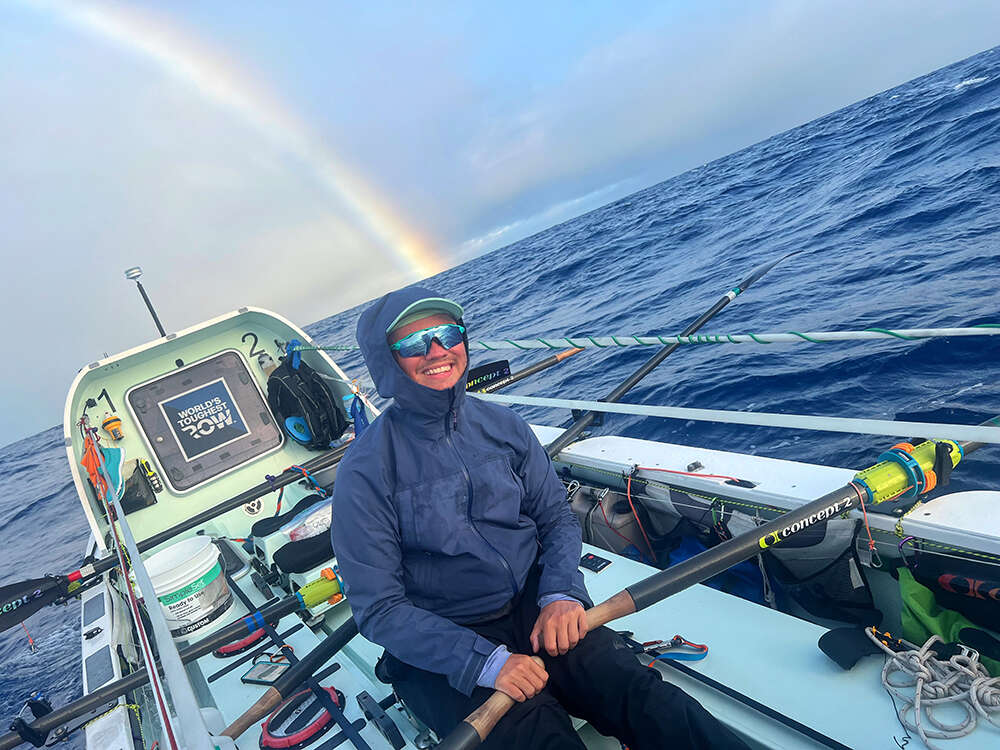
My teammates and I were seven days into our row across the Pacific Ocean when the wind picked up and we began surfing through 20-foot waves.
For many people, the thought of battling enormous waves on the open ocean in our 28-foot long rowing boat - Emma - is understandably terrifying. But for me, this was when I started feeling at home aboard Emma. I felt safe and at peace - feelings that for me, as a survivor, are often hard to come by.
Sports have always played a significant role in my life. I grew up horseback riding and competing in local show jumping competitions, loving the adrenaline of those moments of flight. I have run recreationally on and off since college, finding comfort in the runner’s high that takes over my body. And I’ve tried numerous other sports throughout my life – flying trapeze, roller derby, triathlon, rock climbing, ice skating, basketball, and baseball – searching for joy through movement. But rowing is the sport that changed my life.
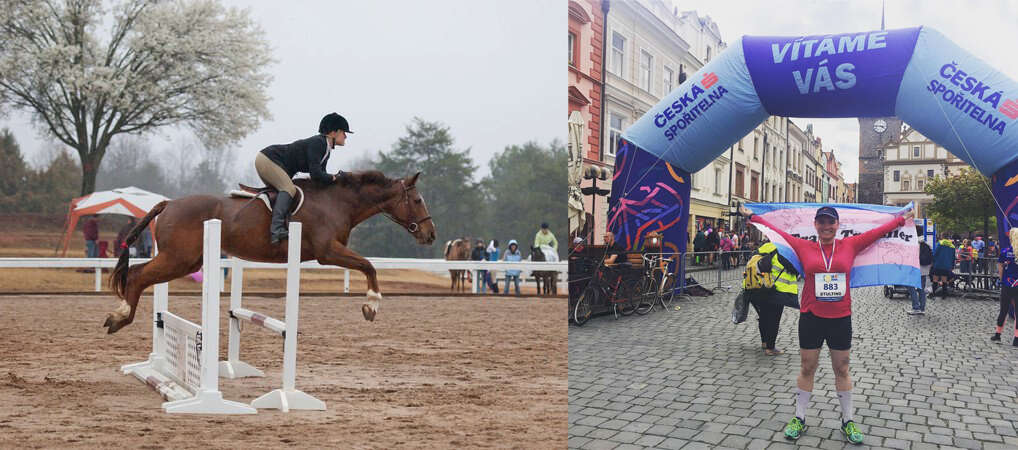
I was 18 years old when I first sat down into a rowing shell after years of wanting to try out the sport. The city I grew up in did not have any nearby lakes or rivers that were particularly good for rowing, so I made “novice rowing program” a requirement for my college search. I had always been drawn to water, and there was something poetic about the way everyone gracefully moved in sync, when I happened across the Women's 8+ races during the 2008 Beijing Olympics while flipping through the TV channels.
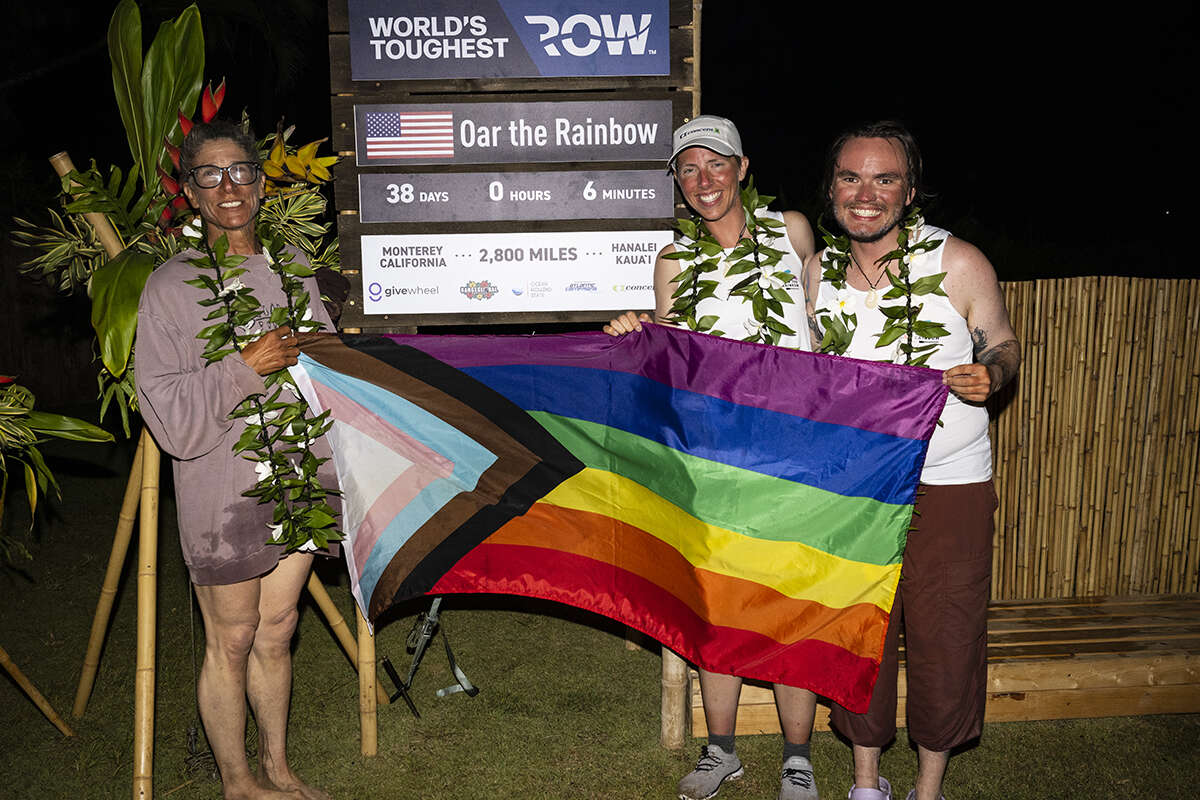
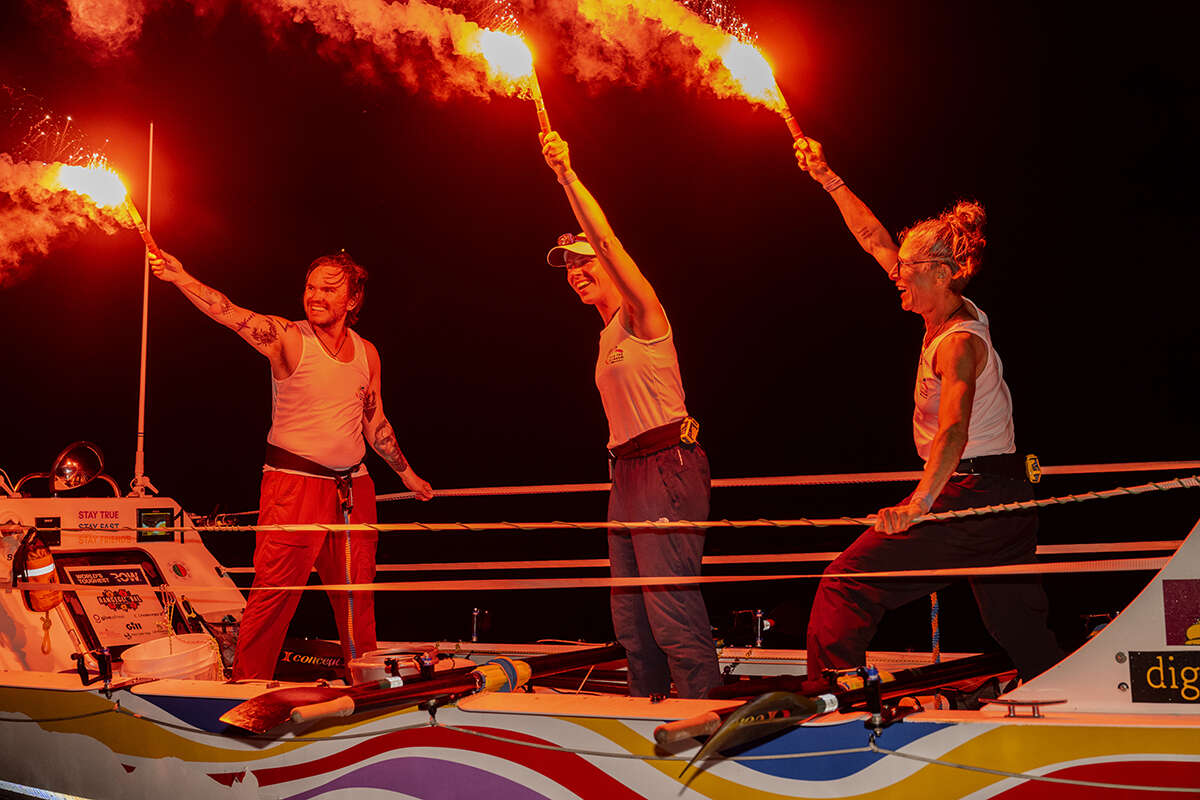
I spent my first two years in college, from 2012-2014, on the D1 varsity team at my small liberal arts school, where I fell in love with the sport. However, injuries, mental health, and complicated feelings about coming out as trans and competing in a gendered sport led me to step back from competitive rowing for a few years. I spent that time rowing recreationally whenever I could find access to a boat and started rowing competitively again when I moved to New York City in 2018. A year later, one of my teammates and coaches asked me and a few others if we had any interest in taking one of our coastal rowing shells for an all-day rowing adventure, circumnavigating Manhattan. I immediately said yes, having no clue at the time that this 54 kilometer row would be the start of a journey into endurance rowing. A journey that would lead me to cross the Pacific Ocean, from California to Hawaii, breaking a world record, and becoming the first out trans person to row across an ocean. A journey that would change how I relate to my body and move through the world as a survivor.
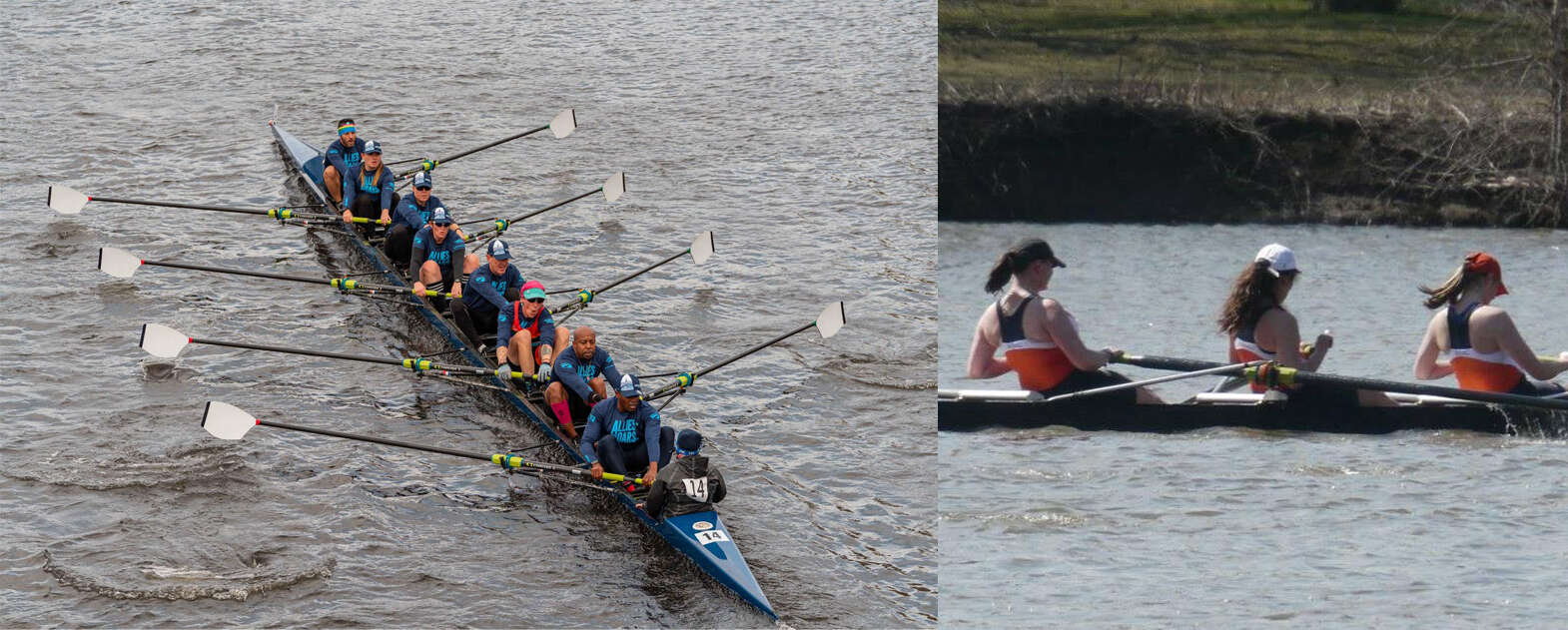
Before learning to use my love of sports as an avenue for healing, the relationship I had with my body was filled with tension, mistrust, and hatred. Being a survivor – and queer, trans, and disabled – created this rocky relationship with myself and my body that also made it hard to relate to others.
Sexual violence often disconnects us from our bodies. It causes fragmentation, and a sense of losing one’s self and power. Often, survivors – including myself – have turned towards embodiment and somatic practices to help reconnect and heal. For some, that may be yoga or somatic experiencing. For others it may be meditation or breathwork. For me, it’s been through sports.
Rowing and other forms of sports, athletics, and movement, have become a way for me to feel at home in my body, and connect and relate to myself and others in ways that have helped me heal and grow.
Rowing has helped me with:
Becoming In Tune with My Body
Rowing gave me a way to notice what my body was doing and what it was feeling. Like many sports, rowing requires a great deal of technique. Listening to my coaches describe what the stroke should look like, and more importantly how it should feel, gave me a way to connect my brain and body in a way I hadn’t been able to accomplish previously. I suddenly knew what it meant to be present in my body, and feel what’s happening in my body. I knew from my clinical training as a social worker that bodily awareness – noticing what you’re feeling throughout your body – is often the first step in embodied healing practices for trauma. Sports allowed me to take that intellectual knowledge, and actually feel what it means.
Quieting My Mind
One reason I was drawn to rowing was its repetitive nature, and the fact that it was a water sport. Being near water has always felt like a safe space for me, and the repetitiveness of taking the same stroke over and over again turned rowing into my form of meditation. I’m able to turn my brain off and just row, feeling the boat move underneath me and the oar in my hand. So often, my trauma brain copes by running wild – ruminating on every little thing that crosses my mind until I’m so mentally exhausted I can’t actually do anything. Rowing gives me a chance to turn my brain off and just be. Time to simply be, I’ve found, is a crucial aspect of healing.
Finding My Power And Voice
The violence and trauma I experienced as a child and as an adult left me feeling powerless in so many ways. I felt that I had to make myself smaller in order to survive. Tied to that was my voice – with loss of power comes a loss of voice. For years, I felt like I needed permission to speak; that no one would want to hear what I had to say unless they asked. Sports helped me feel empowered; they gave me an outlet to discover all the ways in which I hold power and strength. As I gained confidence on the water through rowing, I gained confidence off the water as well.
"Feeling strong in my body allowed me to feel strong in my voice."
Advocating for Change
My own healing journey has been deeply intertwined with my journey as an activist. My survivorship is wrapped up in my identity as a trans person, so advocating for trans rights has in turn helped me on my path of healing. Trans inclusion in sports has been a contentious topic for years. Being part of Allies With Oars – a group of rowers, coaches, and coxswains promoting LGBTQ+ inclusion in rowing – and using my position as an openly trans athlete and coach to advocate for trans rights has allowed me to integrate the healing that has come from sports and from activism. Knowing that my story can be part of this larger narrative of progress for trans survivors has given me a sense of empowerment, comfort, and hope.
Letting Go of Perfectionism
Rowing is a sport of repetition, always striving to take a stroke better than the last. You’re constantly in the pursuit of perfection on the water; for me that mirrored other aspects of my life, never wanting to settle for anything less than perfect. But rowing across an ocean forced me to let go of that need for perfection. It was an endeavor that took a substantial amount of preparation, and I had to accept that I can’t do it all, and I certainly can’t do it all perfectly. I used to live by the idea that if something is worth doing, it’s worth doing well. Now, I know that ‘well’ doesn’t have to mean perfect, and I shouldn’t let perfection get in the way of good enough. Looking back over my years as an athlete, I see now that it is not about being perfect - it’s about showing up and trying to put my best self forward – whatever that may mean at any given moment. Similarly, healing is about showing up and trying, even if it is messy, hard, and filled with uncertainty or mistakes, because there is no such thing as perfection when it comes to survivorship or healing.
Building Community
I am a firm believer that because harm happens in relationships, healing must also happen in relationships. Yes, there are things we can do on an individual basis to support our healing, but much of the deeply profound healing moments we experience come from being in relationship with other people. Building community is therefore an important part of healing. Sports have given me that community. The comradery, friendship, and support that comes with being part of a team has helped me feel safe in relationships again. It’s given me chances to learn to trust others in a way I used to be unable to do. Especially during my experience rowing across the Pacific, I learned that it’s not necessarily about trusting that people won’t hurt you – we’re all human, and hurt sometimes accidentally happens regardless of our intentions. Rather, it’s about trusting that, like you, people are trying to put their best self forward. It’s about trusting that the relationships you develop can navigate the hard moments where hurt may happen, and come out the other side stronger.
Learning to Love My Body
So much of my life, I was focused on what happened to my body. I was convinced that my body was broken because of what was done to me. When I came out as trans, that feeling was exacerbated because of how I heard society talk about trans people and trans bodies in such derogatory ways. As someone with an invisible disability, I also was focused on what my body couldn’t do and always wanted to compensate for that. Endurance sports helped me shift my mindset. Endurance sports aren’t about speed or agility, they’re about how long you can trudge along. They gave me an outlet to discover what my body can accomplish—rather than focusing on what happened to my body, what other people think about my body, or what my body can’t do. Rowing has given me the tools to focus on what I love about my body.
Finding Joy In Movement
When I started sports as a child, I did it because I loved it. For a while, as a teenager and young adult, I lost sight of that. I did sports because I felt pressure from society to be fit and because I felt that I needed to prove my worth through what I accomplished. When I got into endurance sports, I realized that the only way I was ever going to succeed was if I reconnected with the joy of movement. I reframed my relationships with sports, exercise, and movement from something I felt like I had to do, to something I got to do. I learned to listen intuitively to my body and focus on the types of movement that brought me joy.
"As a survivor, I spent a lot of my life feeling like I didn’t deserve joy, or that joy was unobtainable for me. But reconnecting with joy in sports allowed me to find joy in other areas of my life."
Rowing has shifted the trajectory of my life in countless ways, big and small. It changed who I am as a person, an athlete, a researcher and author, and as a survivor. While my experience with healing has been through rowing, I believe sports and movement of any kind can have healing potential if the conditions are right. Often, sports are inaccessible to people for countless reasons, but that doesn’t mean all forms of movement have to be. Sometimes starting with something as simple as gentle stretching can lay the foundation for reconnecting with your body. Adaptive sports, artistic forms of movement like dance, cultural embodied practices like yoga or tai-chi, walking, trauma-informed weightlifting; there are countless options for finding a form of movement that can offer survivors possibilities for healing.
Healing can feel isolating, overwhelming, and like so much is out of our control. And, at the same time, there are things we can control to help us move towards a path of healing. Movement is just one such example of how we can heal individually and collectively.
ADDITIONAL RESOURCES FOR ATHLETES & SURVIVORS
Trauma Informed Weight Lifting
TIWL helps individuals who have experienced trauma find healing through weight lifting. This organization offers online learning tools, opportunities for certification, and is grounded in anti-oppression and anti-racism framework and values.
Allies with Oars
A group of rowers, coaches, and coxswains promoting LGBTQ+ inclusion in rowing. Allies with Oars works to shift the gendered narrative around the sport and to “challenge the longstanding silence that has undervalued true inclusion in the sport.”
NYAD - film
NYAD depicts long-distance swimmer Diana Nyad’s historic 110-mile swim from Cuba to Florida at age 64. Content warning: this film explores the connection between Nyad’s swimming career and the sexual abuse she survived by a coach.
Dear Schuyler - podcast
“Gender, identity, mental health, LGBTQ+ civil rights—these don’t have to be confusing, intimidating conversations. Everyone from your grandma to your best friend has an opinion on these issues, and Schuyler Bailar, the celebrated activist, author, and trailblazing transgender athlete (the first to compete in NCAA Division 1) is here for it.
[In this podcast], Schuyler invites cultural movers to join him in provocative and personal conversations. They include thought leaders like actress-activist Dylan Mulvaney, NCAA champion swimmer Lia Thomas, NFL Pro Bowler and Super Bowl Champion Brendon Ayanbadejo, Olympian Megan Rapinoe, and many others. Every episode focuses on a topical, listener-sourced question.”
He/She/They by Schuyler Bailar - book
Written by renowned trans athlete and educator Schuyler Bailar, this book invites conversations around understanding & expanding ideas around gender.
INSIGHT DISCLAIMER
Insight articles are written by survivors sharing their own first-hand healing knowledge and lived experience. These are personal perspectives featuring survivor-to-survivor wisdom, advice, and offering firsthand accounts of navigating the challenges/realities faced by survivors. Every survivor’s journey is different. Braver Collective does not endorse, approve, or recommend any specific path or modality towards healing. All content on this page (written, visual, linked) is for educational purposes only, and is not intended to replace or provide medical, legal, or any professional advice or care. Always consult a qualified healthcare professional for any health-related questions, concerns, or conditions. If you are experiencing a medical emergency, dial 911 or go to the closest emergency room.
- Taylan Stulting, they/them/theirs
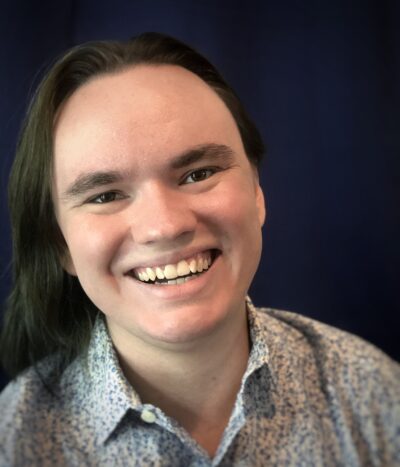
Taylan Stulting is a PhD student in social work at the University of Wisconsin, Madison where they research healing justice and anti-trans violence. Taylan is also a survivor, trans athlete, and rowing coach. In 2025, Taylan became the first out trans person to row across any ocean and broke a world record with their team, Oar the Rainbow.